
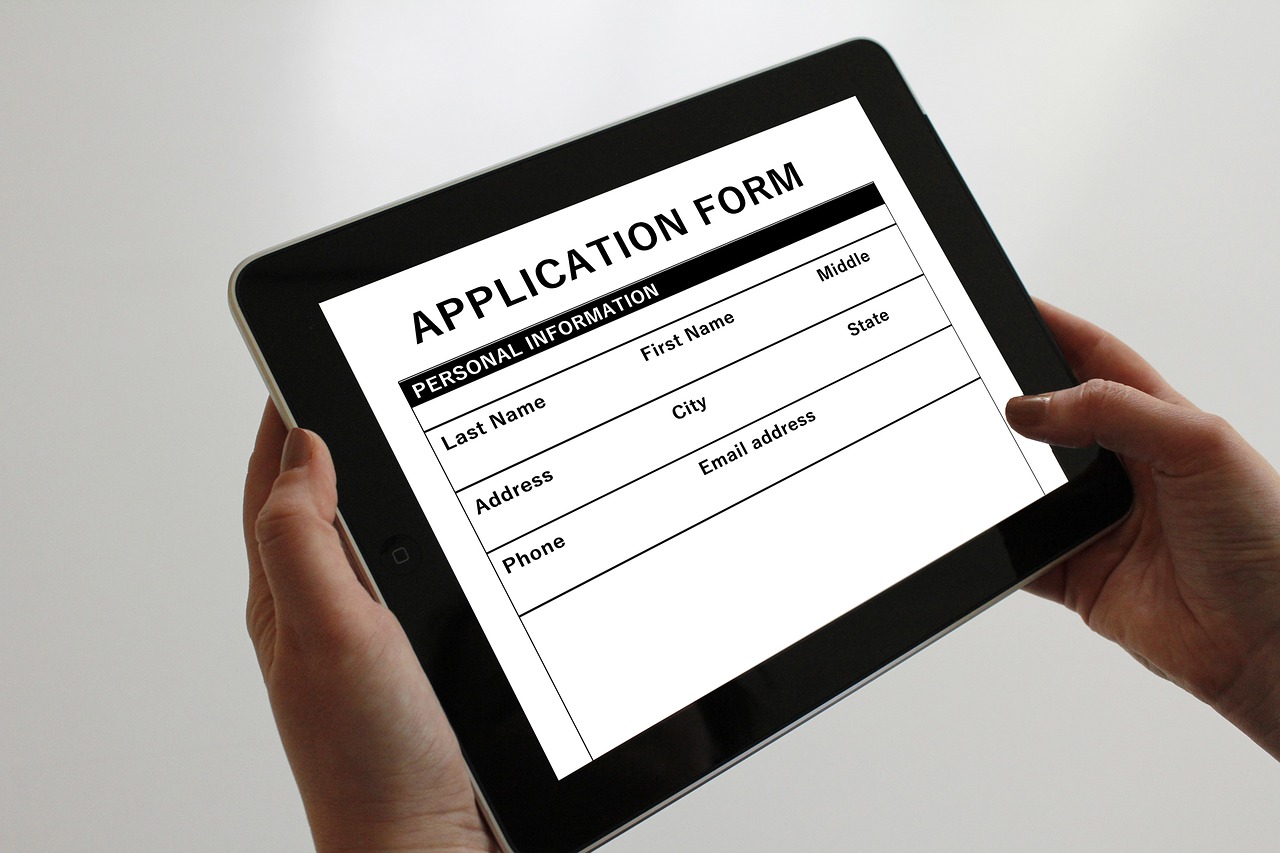
CPA networks screen for fraud and quality before they let you run offers. Here is what to have ready, what to say on the approval call, and what happens after you get in.
Main points
- Apply with an email address on your own domain, because generic admin addresses are a common fraud flag networks watch for.
- Understand sub IDs and postback URLs before the approval call, and phone the network once your application is in.
- Timelines vary: one network reports most applicants hear back the same business day, with a median wait around 23 hours for first-time applications.
- Networks build your offer list from your traffic profile, and payouts often start only after hold periods and fraud checks.
- Check for scrubbed conversions daily in your first week; geography mismatches, duplicate leads and quality flags are the usual causes.
Getting approved by a CPA network is less about luck and more about sequencing. The application, the approval call, the wait and your first days live each have a job, and going in prepared removes most of the friction. Here is the path, stage by stage.
One to Two Weeks Out: What to Prepare Before You Apply
Networks screen applications for fraud risk, so small signals matter. Set up a website with an email address on your own domain, such as yourname@yoursite.com. A generic admin@domain.com address reads as a red flag because it is one of the most common patterns among fraudulent applicants.
Have tracking ready before you apply. Install a tracking tool, prepare a landing page you can screenshot if the network asks, and make sure you can explain sub IDs and postback URLs, since both tend to come up during approval conversations. If you have not picked a network yet, our guide to choosing a CPA network covers how to evaluate the options first.
Filling Out the Application: What Networks Ask and Why
Applications ask about your traffic sources, your vertical history and your rough monthly volume. The logic is simple: networks earn money when their advertisers get quality traffic, so they want to know how you plan to send it. Answer honestly and specifically. Vague answers damage your chances more than modest, accurate ones.
Not every network screens this hard. Some offer instant approval and ask for little more than a valid phone number. The tradeoff is real: those networks tend to have more users, which means more competition on the same offers, and support teams that are slower because they cover more marketers.
The Approval Call: What Managers Want to Hear
If the network lists a phone number, call it. Managers review many applications and sometimes fall behind, and calling once your application is in moves you up the queue. Be honest on the call about your experience and your traffic. The manager you speak with is usually the person who will help you find offers for your niche later, so the relationship starts here.
Expect questions about how you will drive traffic and how conversions get recorded. You do not need years of history, but you should be able to explain what happens between a click and a payout. If you are new to the model, our explainer on what CPA marketing is walks through how cost-per-action offers work before you have that conversation.
The Waiting Period: How Long Is Normal and When to Follow Up
Timelines vary widely by network. One network reports that a real human reviews every application, most applicants hear back the same business day, and the median wait for first-time applications is around 23 hours. Others take several days, especially if they want a call to verify your funnel. If several business days pass with silence, follow up by phone or email instead of submitting a fresh application.
Pro tip
Submit your application early in the week and call the network the same day. If you hear nothing after several business days, follow up instead of resubmitting.
Getting Approved: Choosing a First Offer and Understanding Caps
Approval is not the finish line, because you do not fully choose your offers. Someone at the network reads your traffic profile and builds the offer list you see from it, so two publishers in the same network can end up with different inventory. In practice, CPA offer lists run heavily toward supplements, weight loss, dating and sweepstakes, so understand how those verticals differ before you commit budget.
Payment terms deserve equal attention. One long-running network requires $100 in cleared earnings before the first payment, pays that first cycle on a monthly net-15 schedule, then shifts to weekly once you are set up for electronic payment. More generally, networks pay only after hold periods and fraud checks, so expect a gap between your first conversions and your first deposit. Ask your manager to walk you through the exact schedule before you spend money on traffic.
Your First Week Live and the Manager Check-In
Once an offer is live, verify tracking immediately. Postback or pixel integration with a network typically takes well under an hour, and sub IDs show you which traffic actually converts. Check your stats daily for scrubbed or rejected conversions. The most common reasons are traffic from outside the offer’s allowed geography, duplicate leads inside the same 24-hour window, and advertiser flags for low-quality funnels. If a scrub rule looks wrong for your traffic, ask your manager for a re-review instead of scaling spend into the problem.
Expect a check-in during that first week. Managers watch early traffic for quality, and straight answers about what is working help them match you to better offers. Before you scale, review your landing page claims and consent language. Keep claims honest and verifiable, and if your funnel collects phone numbers or email addresses, make sure the consent language matches what you actually do with the data.
To plan cash flow around that first payout cycle, see our comparison of CPA, CPL and CPS payout models. And once traffic is running, postback URLs and server-to-server tracking explains how to keep your own conversion record in case a dispute over counted conversions comes up.
Frequently asked
How long does CPA network approval take?
It varies by network. At least one network reports that most applicants hear back the same business day, with a median wait of about 23 hours for first-time applications, while others take several days or want a verification call first. If you hear nothing after several business days, follow up rather than resubmitting.
Do I need a website to get approved?
Many networks expect one. An email address on your own domain and a landing page you can screenshot if asked both improve your odds, though some instant-approval networks ask for little more than a valid phone number.
What should I say on the approval call?
Be honest about your experience, your traffic sources and your rough monthly volume. Explain how you will drive quality traffic and how conversions get recorded, since managers use your answers to match you with offers.
When will I get my first payment?
Networks pay after hold periods and fraud checks, so there is a gap between your first conversions and your first deposit. One established network requires $100 in cleared earnings, pays the first cycle on a monthly net-15 schedule, then moves to weekly once electronic payment is set up.
This article is general information for marketers, not legal advice. Advertising, privacy and consumer protection rules vary by country and change over time, so check the current rules and your network’s terms, and get legal advice where needed before running campaigns.